The Beginning
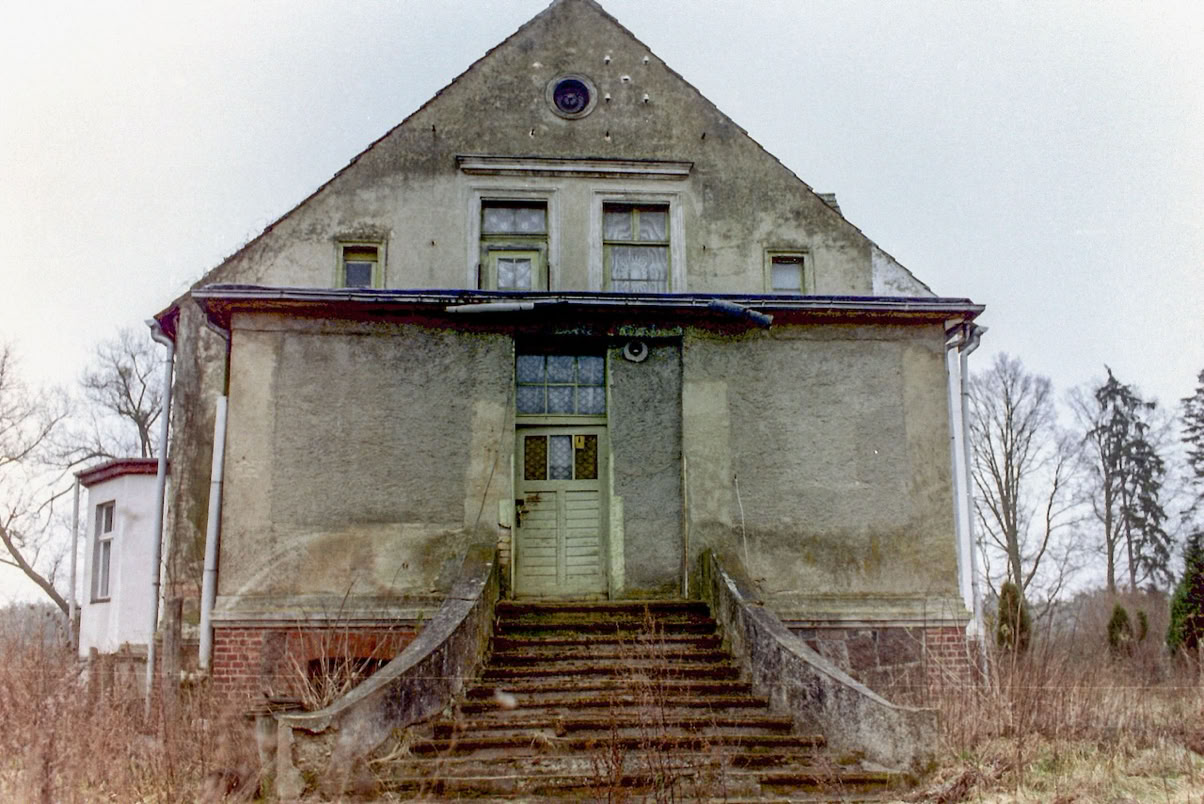
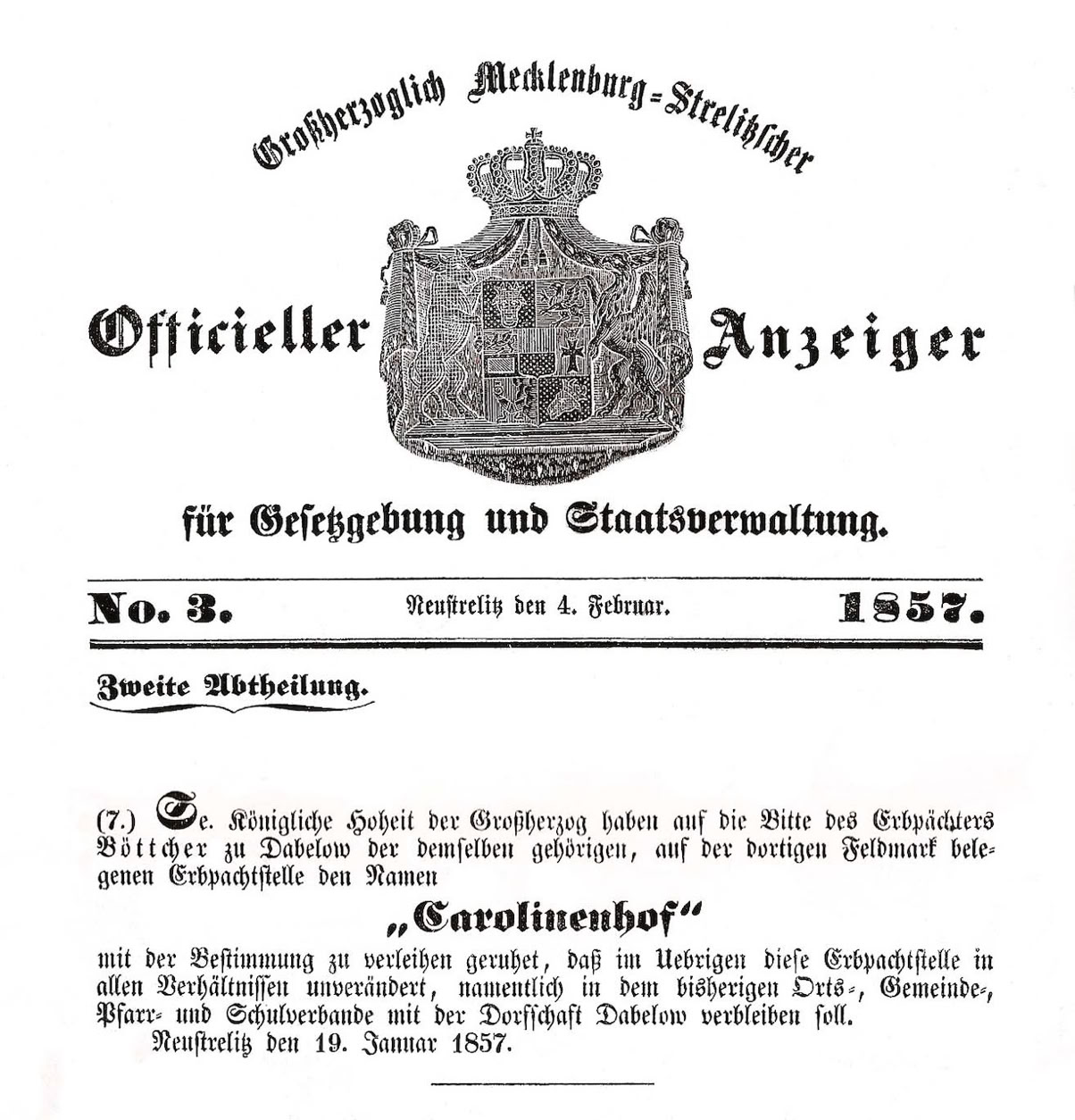
With the deed of February 4, 1857, the hereditary leasehold became the Carolinenhof estate. The main house was presumably built during this period. However, the entrance hall and the conservatory with its wide external staircase did not yet exist at that time.
The Carolinenhof Estate
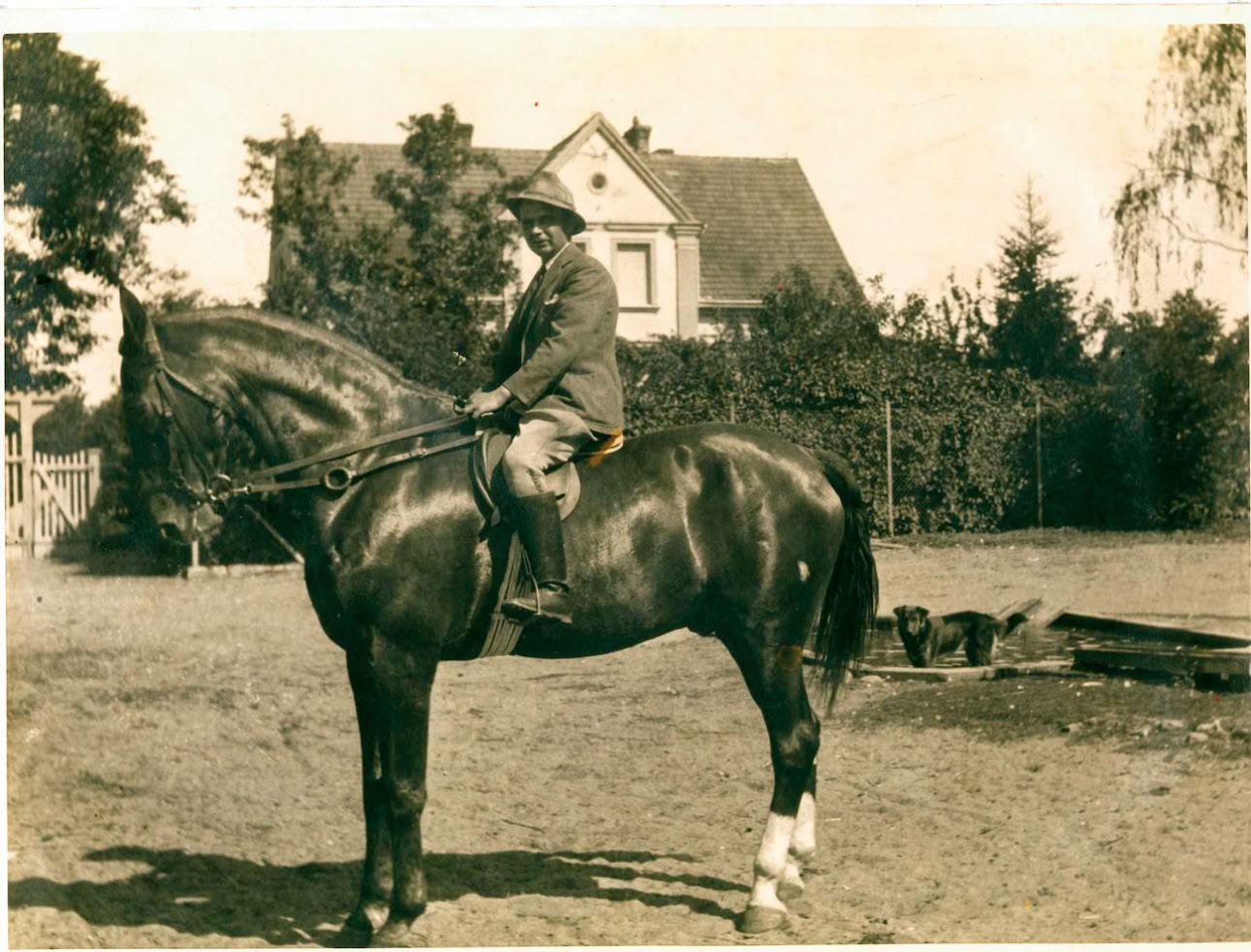
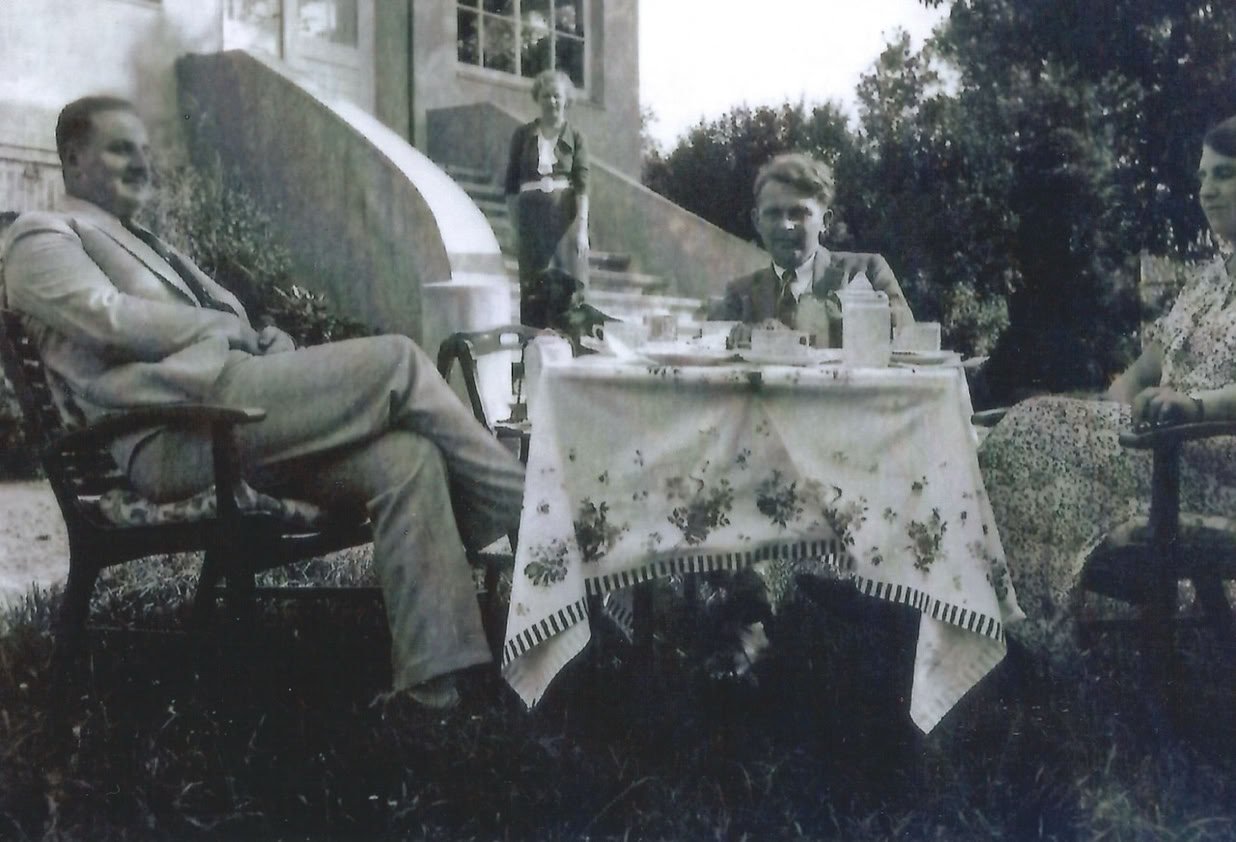
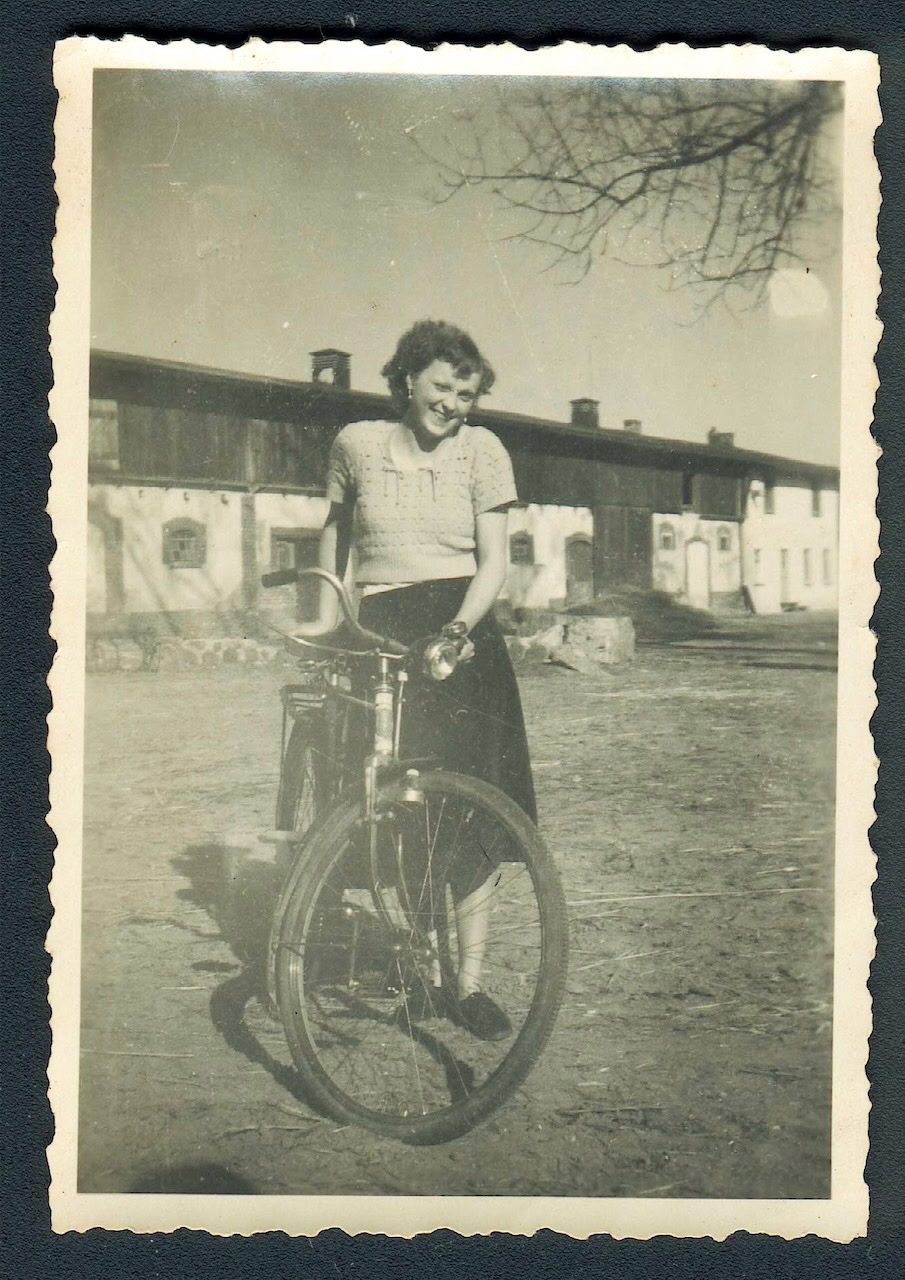
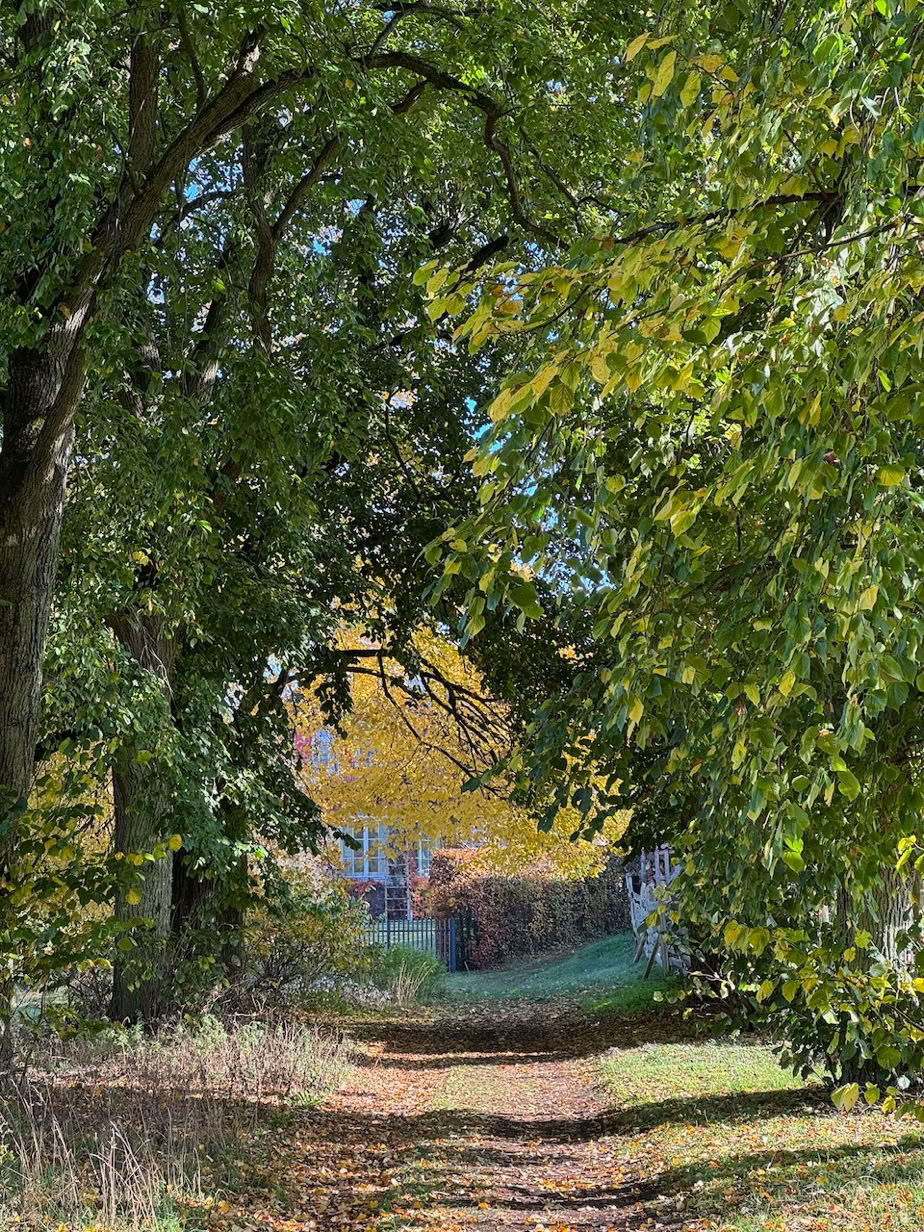
The leasehold property was sold in 1930 by the farmer Alfred Feldmann to the entrepreneur Willy Kückemann, an engineer from Berlin-Grunewald. He extended the main house by adding the entrance area and a conservatory with its grand external staircase. At the same time, the linden avenue was planted, starting from the west side of the property. The picture, which was probably taken in the 1930s, shows the estate manager. He lived with his family in the "manager's house" opposite the main house.
Live and Work
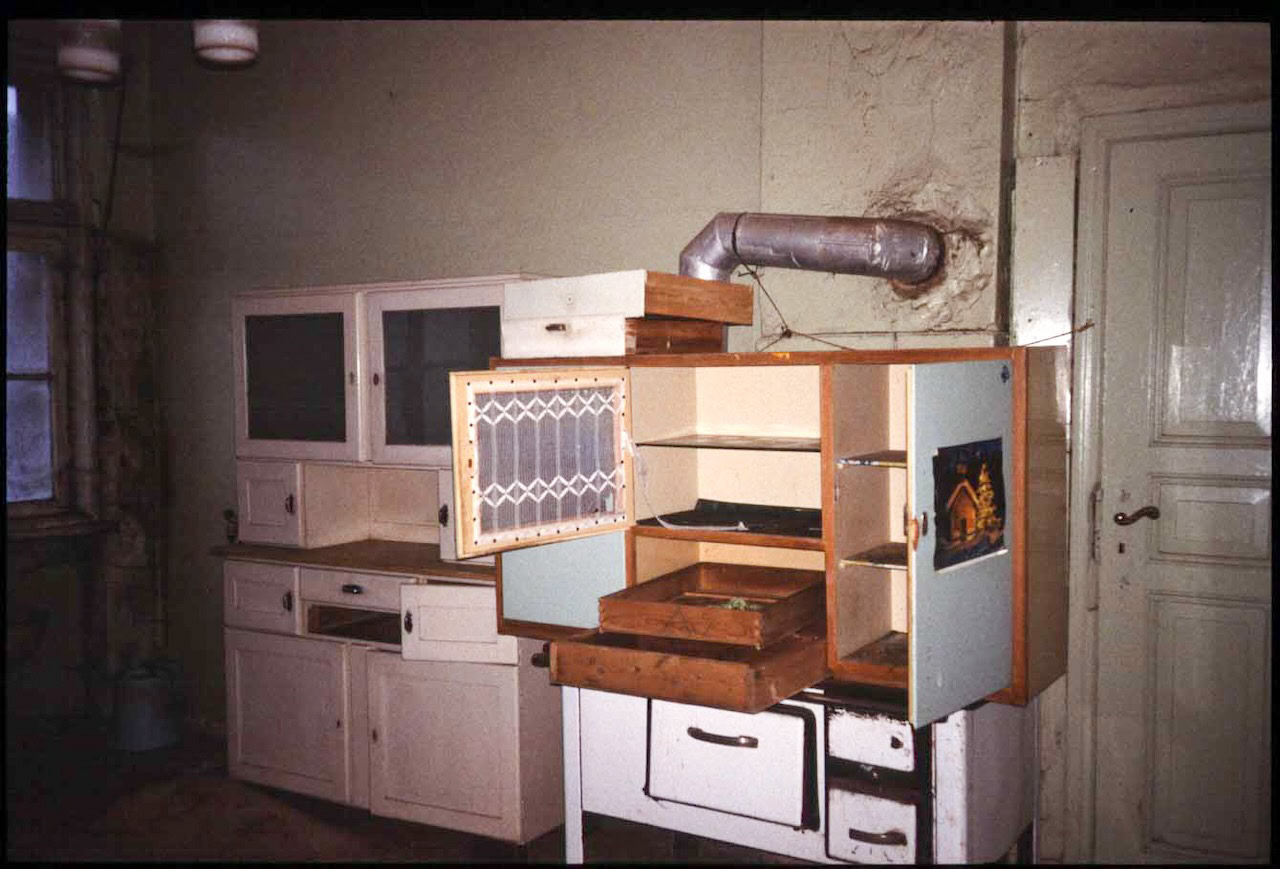
The estate comprised approximately 300 hectares and primarily engaged in forestry and sheep farming on the relatively infertile soil. The farm buildings, including the kitchen, were located in the basement. The raised ground floor housed, among other things, the hunting lodge and the gentlemen's study. The bedrooms and bathroom were located on the upper floor. The Kückemann family continued to live permanently in Berlin.
The estate's grounds included the area of the so-called Tsar's Court, which was located opposite the Tsar's Lake adjacent to the property and can now only be recognized by its foundation remains.
The picture shows the owner Kückemann and his manager along with their wives in front of the conservatory.
Carolinenhof after WWII
The estate is located approximately 7 km from the Ravensbrück concentration camp. In 1933, the SS purchased the neighboring estate of Compthurey, which served as an "experimental farm" and subcamp of Ravensbrück. It is likely that prisoners also worked on the Carolinenhof estate. At least one cobblestone path leads almost directly to the concentration camp. This path was built by the women of the camp.
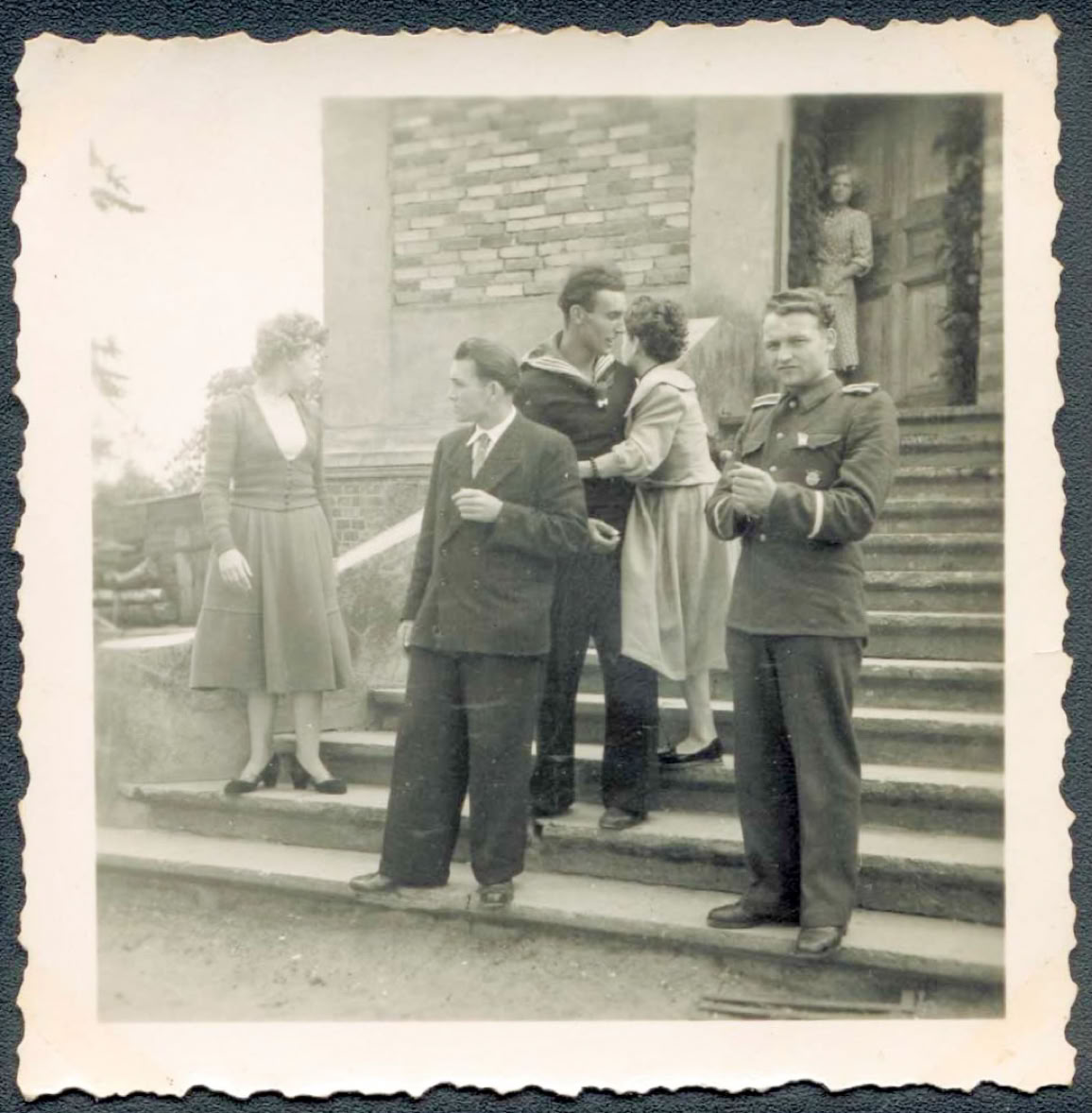
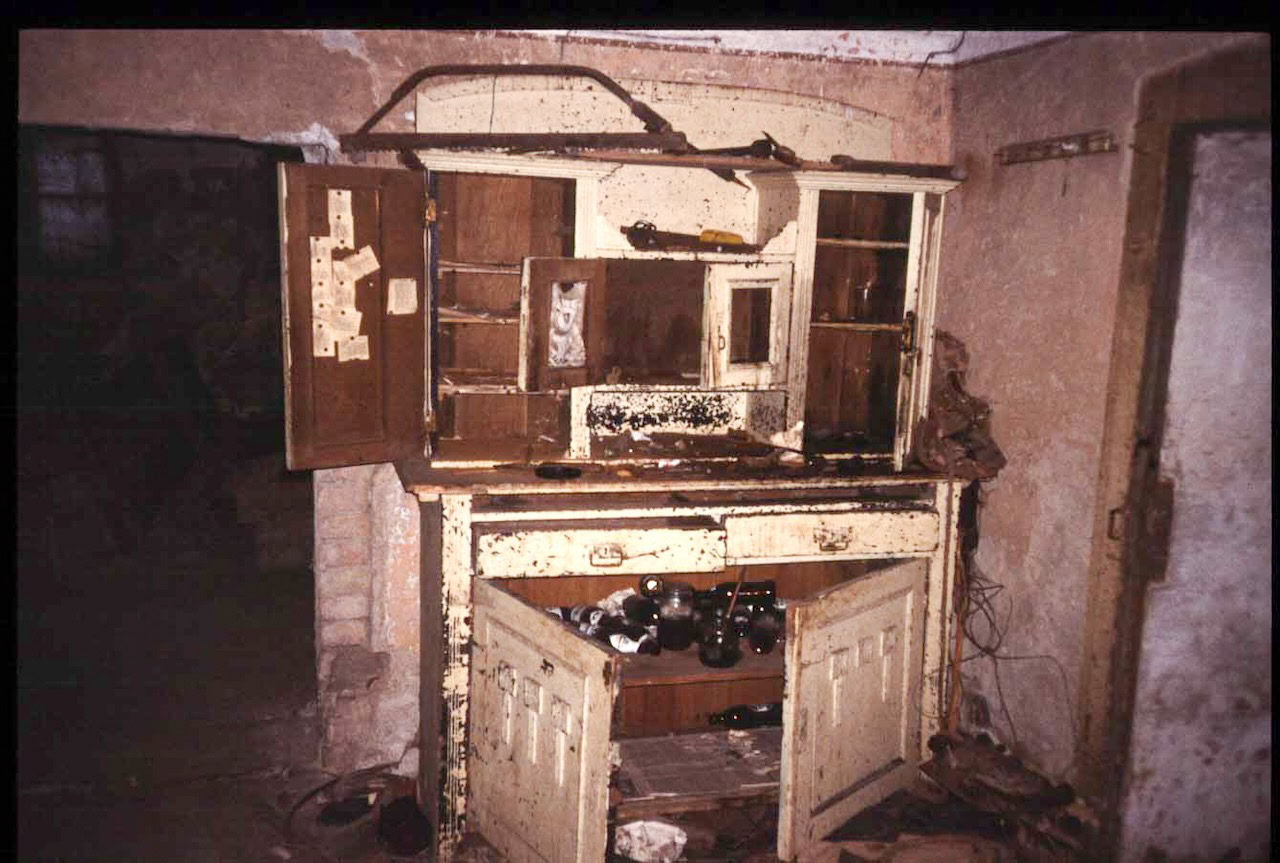
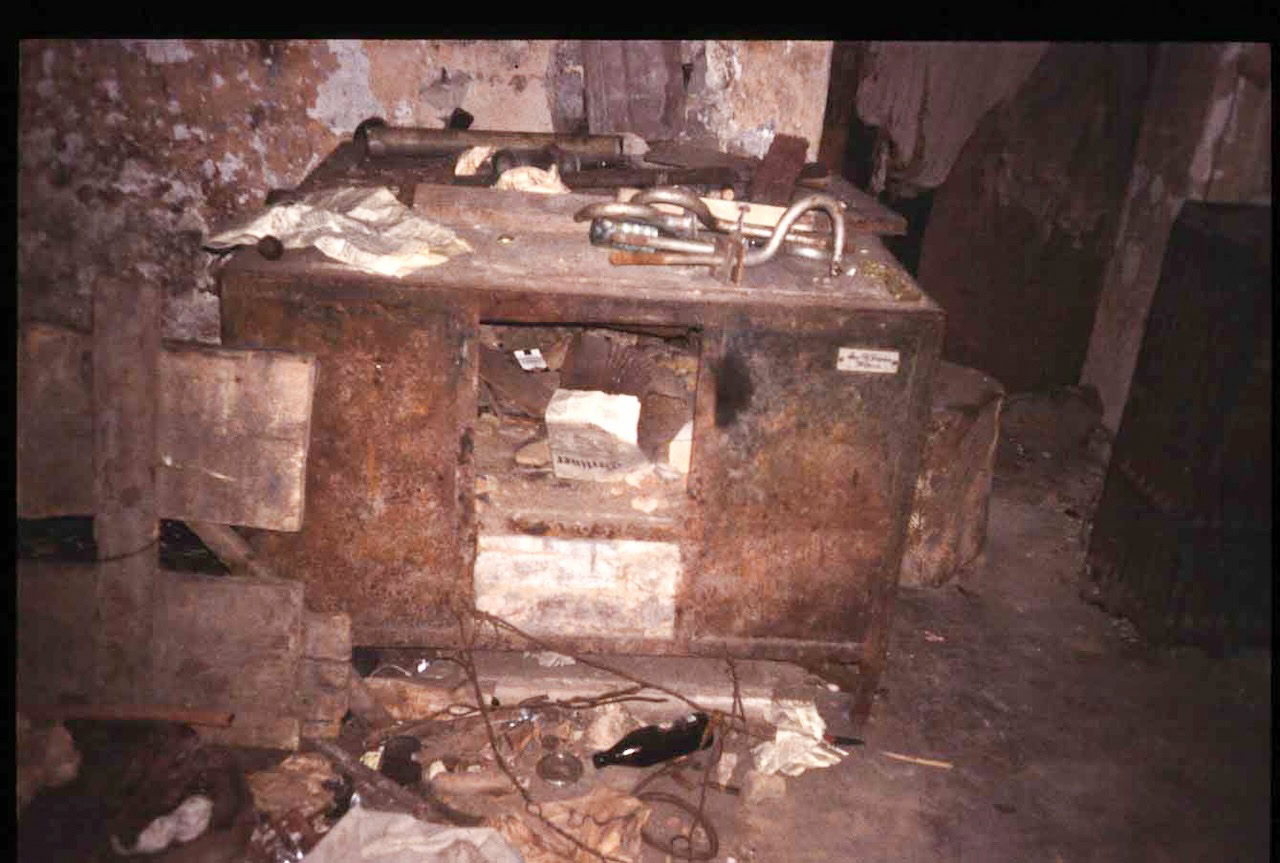
After the Russian army invaded, the house was confiscated, briefly occupied by the Russian commandant's office, and ultimately looted. For a short time, up to four refugee families lived in the house.
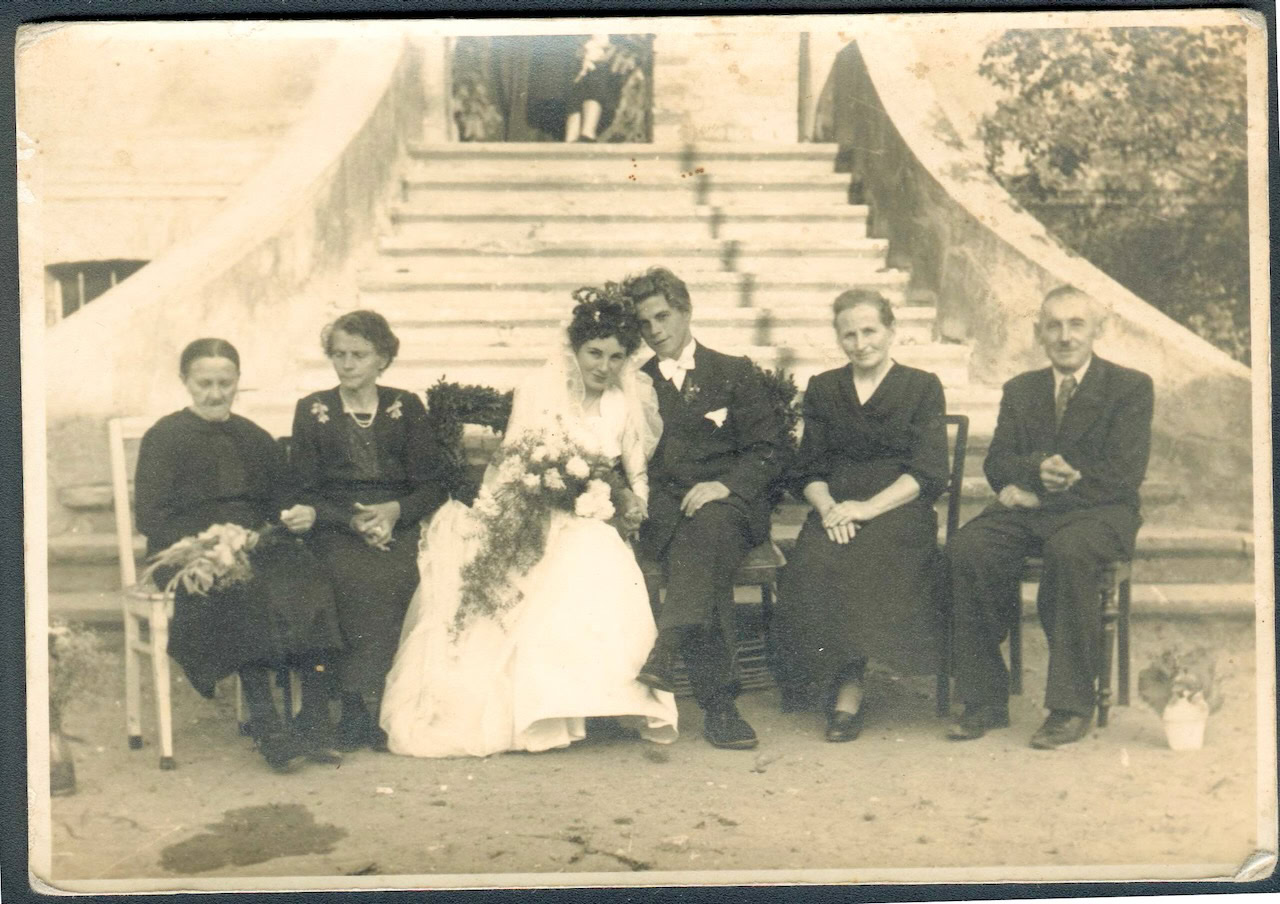
In 1947, the estate was expropriated and divided. The manor house was split in two and eventually given to the Schulz and Röhl families, who lived there until the 1980s.
Manor House Saved
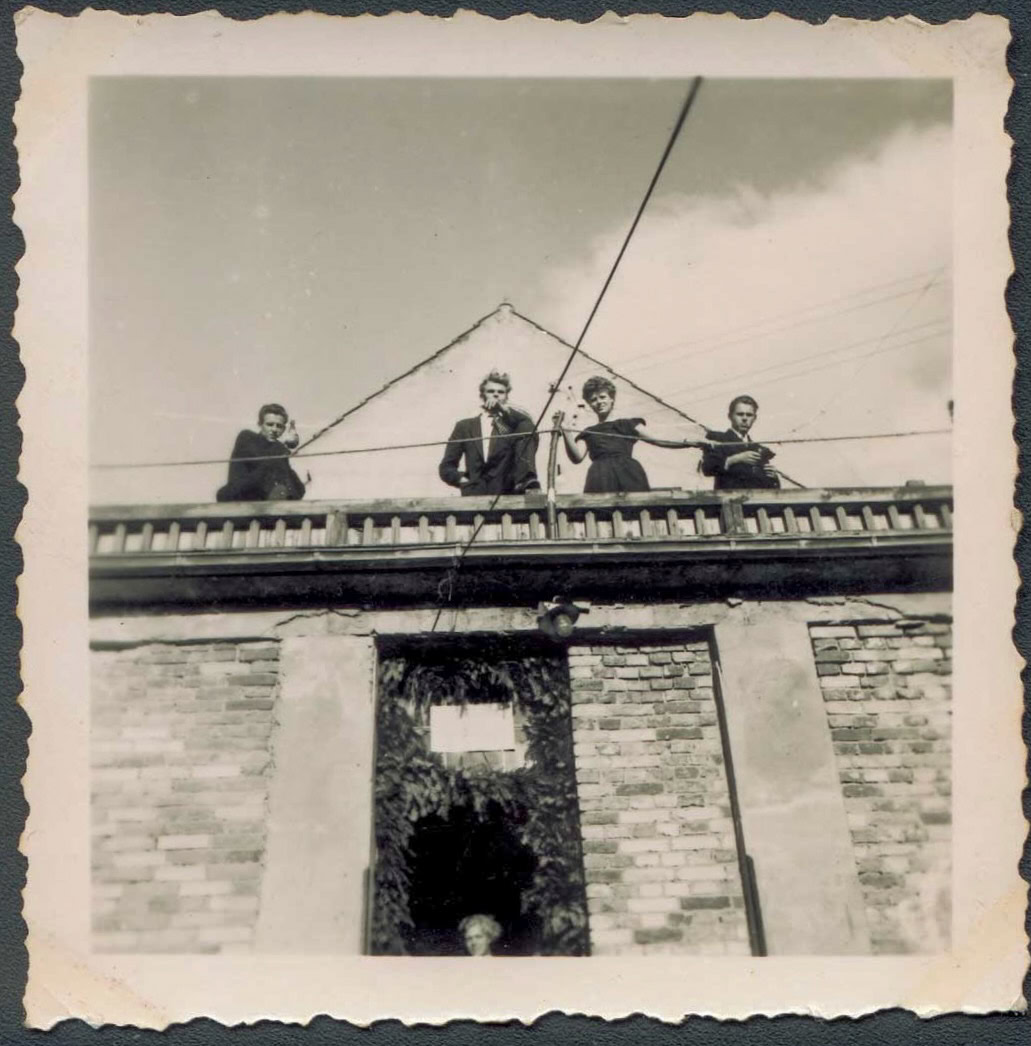
In 1996, Ute, Jasper, and I found the house, which was partly inhabited and deserted, and partly derelict. We fell in love with the ruin and the area and, with a lot of patience and a lot of help, built our little paradise.
Peace has returned
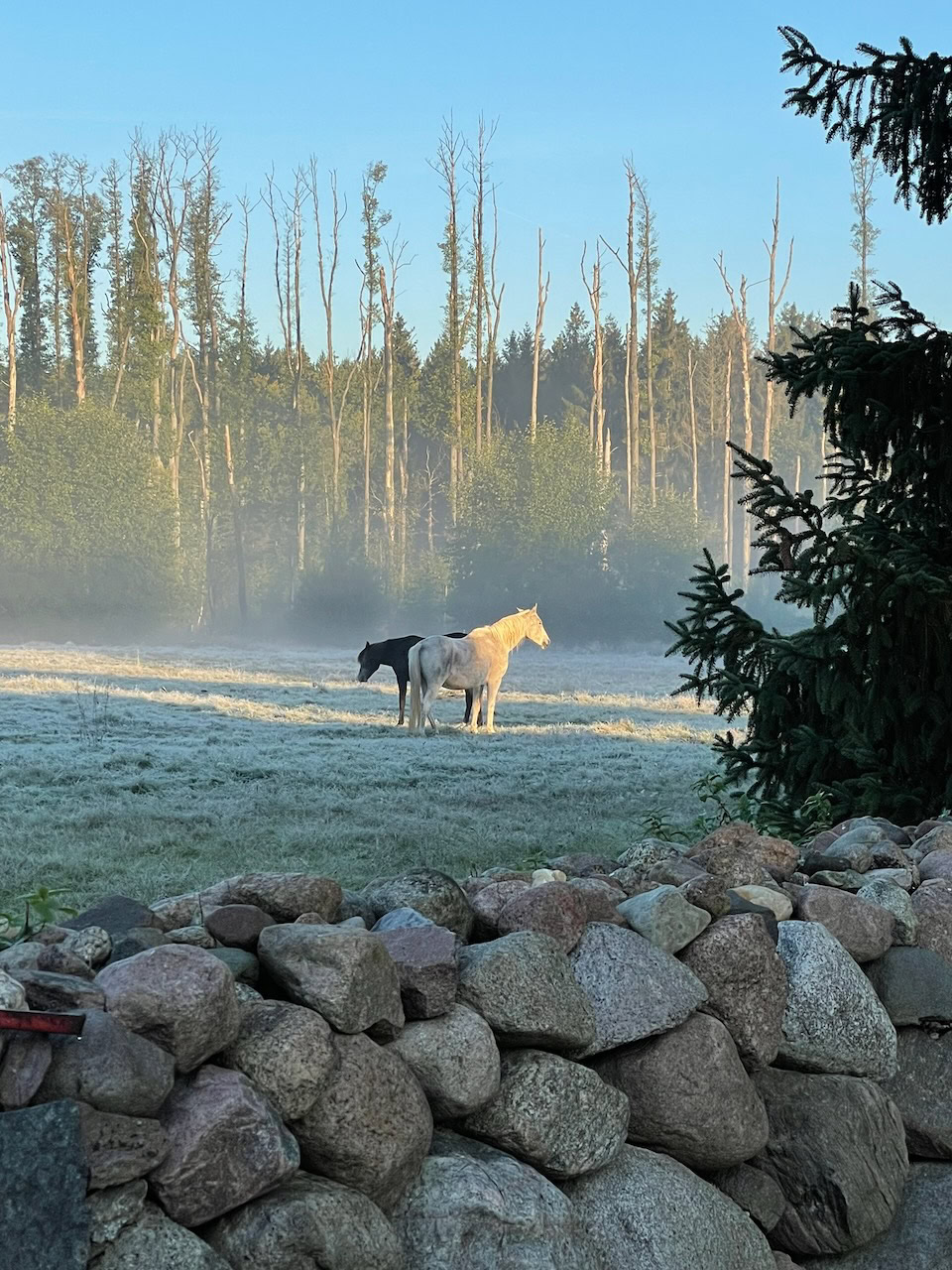
Carolinenhof and the surrounding area have become our home. Peace has returned, which we share time and again with many friends. We have a wonderful neighborhood and local community. One can be happy here – bad karma has been swept away.
©Urheberrecht. Alle Rechte vorbehalten.